
Prove the Impact: Who Gets to Decide What Success Looks Like?
How do you know your program worked?
Who decided what success would look like?
And did the people your program was designed for get a say?
During a research project with people recently released from prison, I was asked:
“But is this really going to change anything?”
It was a fair question. We ask people to complete surveys, sit through interviews and sometimes tell us deeply personal things. But then what? Are they involved in deciding what needs to change and do they ever hear what happened because they spoke up?
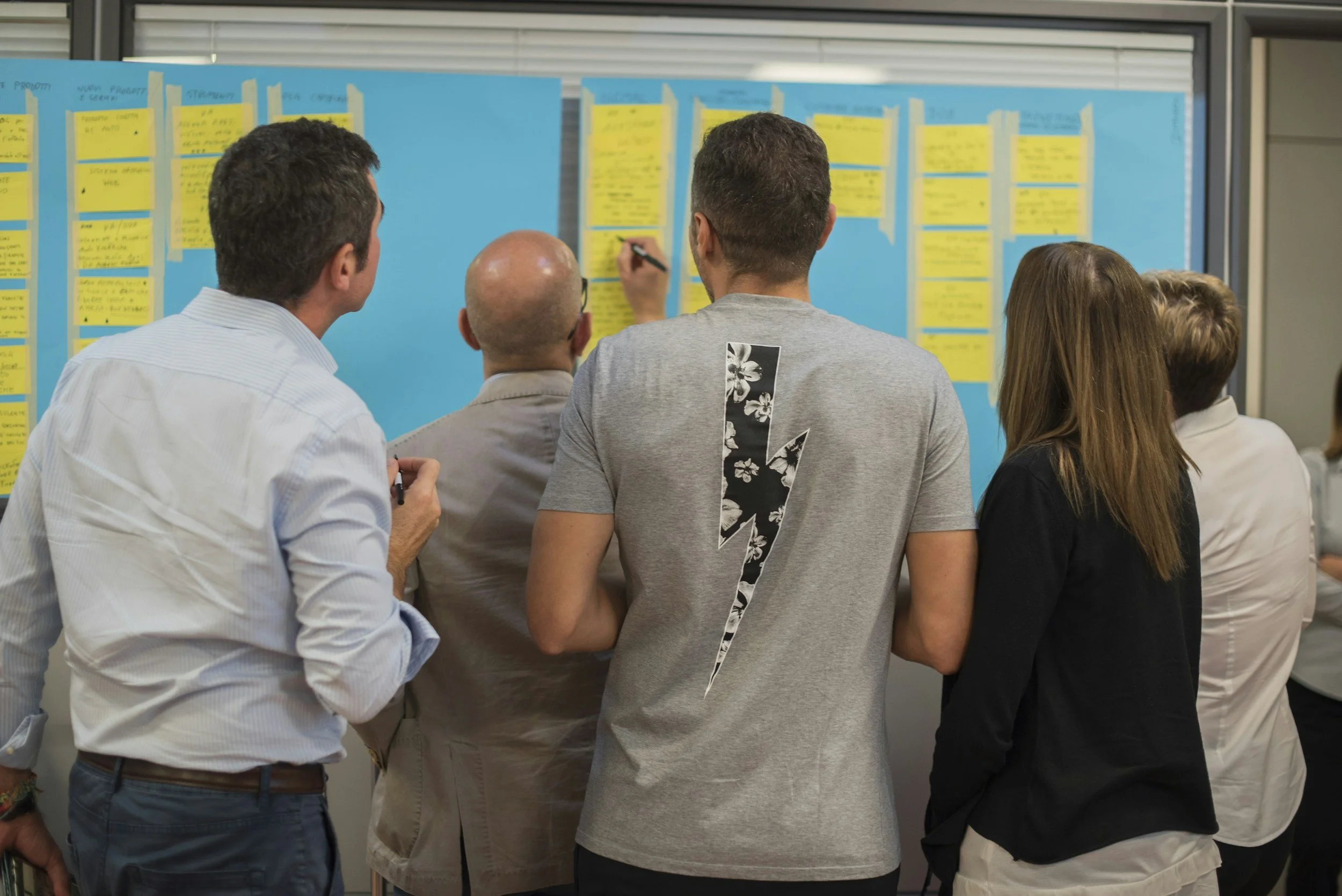
Lived experience is more than a good quote
I went into that project with years of experience working with incarcerated and formerly incarcerated people. But I learned that knowing an issue isn’t the same as having lived it. In a paper I later co-authored, we looked at what changes when lived experience is built into research rather than simply collected. For example, people with lived experience can identify barriers, improve accessibility and challenge assumptions others may miss.
There’s a big difference between involving people as participants and involving them as collaborators.
For an NGO, that involvement might mean involving service users in program and project design, identifying barriers and deciding which outcomes matter.
I’ve learned that listening only matters if it leads somewhere. For example, in one project, concerns about inaccessible information led me to secure funding to redesign two brochures in Easy Read. People with disabilities reviewed the drafts and shaped the final language and presentation.
The result was stronger because it was shaped by the people it was designed for.
Organizations around the world are embedding lived experience into their work. Australia’s Vacro, the UK’s Mind and the Mental Health Commission of Canada all use lived-experience groups to influence their work.
But a lived experience group isn’t a magic wand.
The Justice Reform Initiative’s Lived Experience Framework highlights questions about power, tokenism, support and payment. Organizations need to be clear about what people are being asked to contribute, how much influence they have and how their expertise will be recognised.
There’s also a governance question: who does the group report to, what can it influence and what happens to its recommendations?
Numbers, outcomes and indicators
Of course, numbers, outcomes and indicators matter when measuring impact. But they rarely tell the whole story. I first started grappling with these issues during fieldwork in Medellín in 2014, where even seemingly straightforward questions could produce very different answers depending on what you measured and who you asked. Those questions later shaped my 2024 book, Researching Crime and Violence in Medellín, Colombia: Truth versus Truths. One lesson has stayed with me: one measure can tell you something, but it rarely tells you everything. In evaluation, lived experience helps fill that gap by showing us what the numbers may miss and whether the change actually mattered.
Data can show you part of what changed. Lived experience can help you understand why it changed, whether it mattered and what you may be missing.
Understanding your impact can also strengthen your case for funding, because you can explain not only what you did but also why it mattered and what you learned.
